
Underground Utilities
Infrastructure That Runs Below the Surface — and Has to Work Every Time.
Corridor Contractors is a full-service underground utility contractor specializing in municipal and commercial utility installation across the Inland Northwest. We self-perform water main installation, sanitary sewer systems, storm drainage infrastructure, and dry utility conduit networks in Washington, Idaho, Montana, and Oregon — with GPS-guided grade control, OSHA-compliant trenching practices, and a project management approach that coordinates directly with design engineers from day one.
Underground utility systems are permanent infrastructure. Errors in pipe slope, depth, material selection, or trench backfill do not surface until a system fails — often years after the contractor has left the project. Corridor's GPS-guided installation, thorough testing protocols, and experienced underground utility crews are how we prevent those failures before the trench is backfilled.
PRECISION UNDERGROUND UTILITY INSTALLATION — NO SHORTCUTS, NO REWORK
Underground utility work is the kind of construction most people never see — but everyone depends on. When a water main fails, when storm drainage backs up, or when a dry utility system is installed out of tolerance, the consequences are costly. Corridor Contractors takes that reality seriously.
We self-perform the installation of water distribution and transmission lines, sanitary sewer collection systems, storm drain networks, and dry utilities including conduit and duct bank. Our crews are experienced in both open-cut and trench installation methods, with the equipment and knowledge to work in challenging soil conditions, tight tolerances, and high-traffic corridors.
We coordinate closely with engineers, inspectors, and other trades to ensure utility systems are installed correctly, tested thoroughly, and turned over on schedule.
We Handle:
- Water main installation — transmission and distribution
- Sanitary sewer collection systems
- Storm drain and detention system installation
- Dry utility conduit and duct bank
- Service connections and valve/manhole installation
- Trench excavation and bedding
- Pressure and vacuum testing
- Coordination with municipalities and utility owners
Municipal Water Main & Distribution Systems
Corridor installs potable water mains, distribution laterals, fire hydrant branches, and service connections for cities, water districts, and private developments. We work with ductile iron, PVC (AWWA C900/C905), and HDPE pipe systems, and we pressure-test every water main installation to the agency's specified test pressure before connection to the distribution system. Our GPS machine control ensures correct trench depth and minimum cover requirements are maintained throughout.

Call for a Quote:
(509) 244-6160
Sanitary Sewer — Gravity Mains, Manholes & Lift Stations
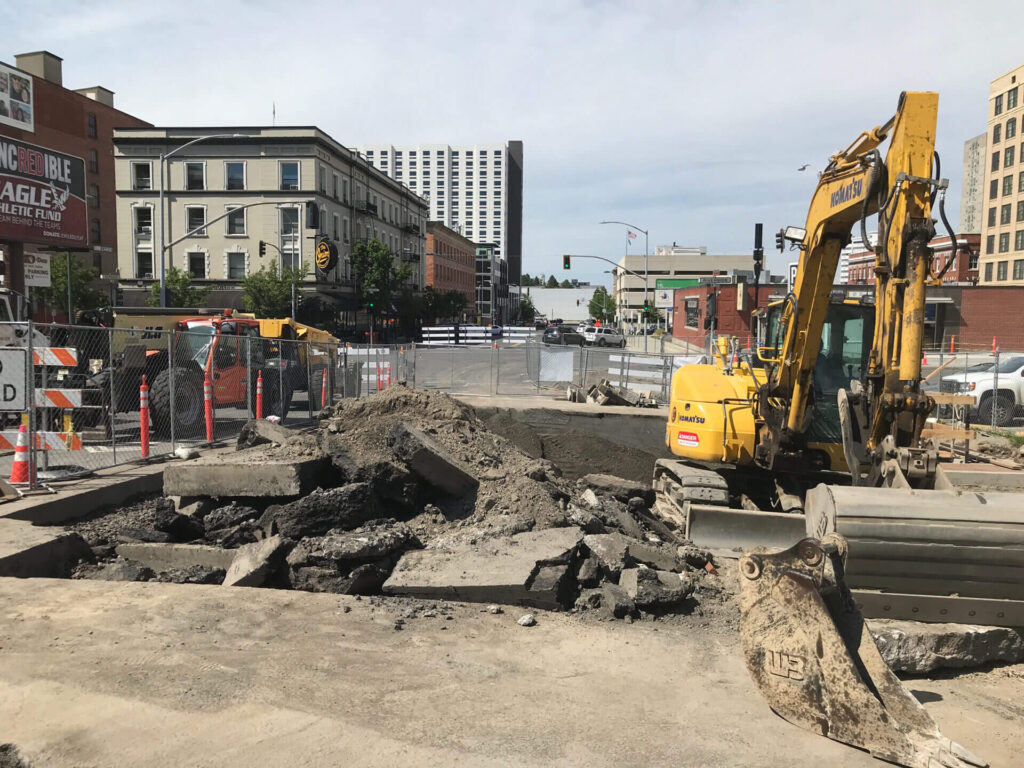
Sanitary sewer installation is among the most technically demanding underground utility work because gravity systems depend entirely on precise pipe slope — even small slope errors cause solids accumulation, blockage, and long-term system failure. Corridor's GPS-guided excavation maintains the design slope within hundredths of a foot across the full run length. We install gravity mains, manholes, cleanouts, force mains, and lift station wet wells, and we CCTV-inspect gravity sewer installations on projects that require it.
Call for a Quote:
(509) 244-6160
Storm Drain & Drainage Infrastructure
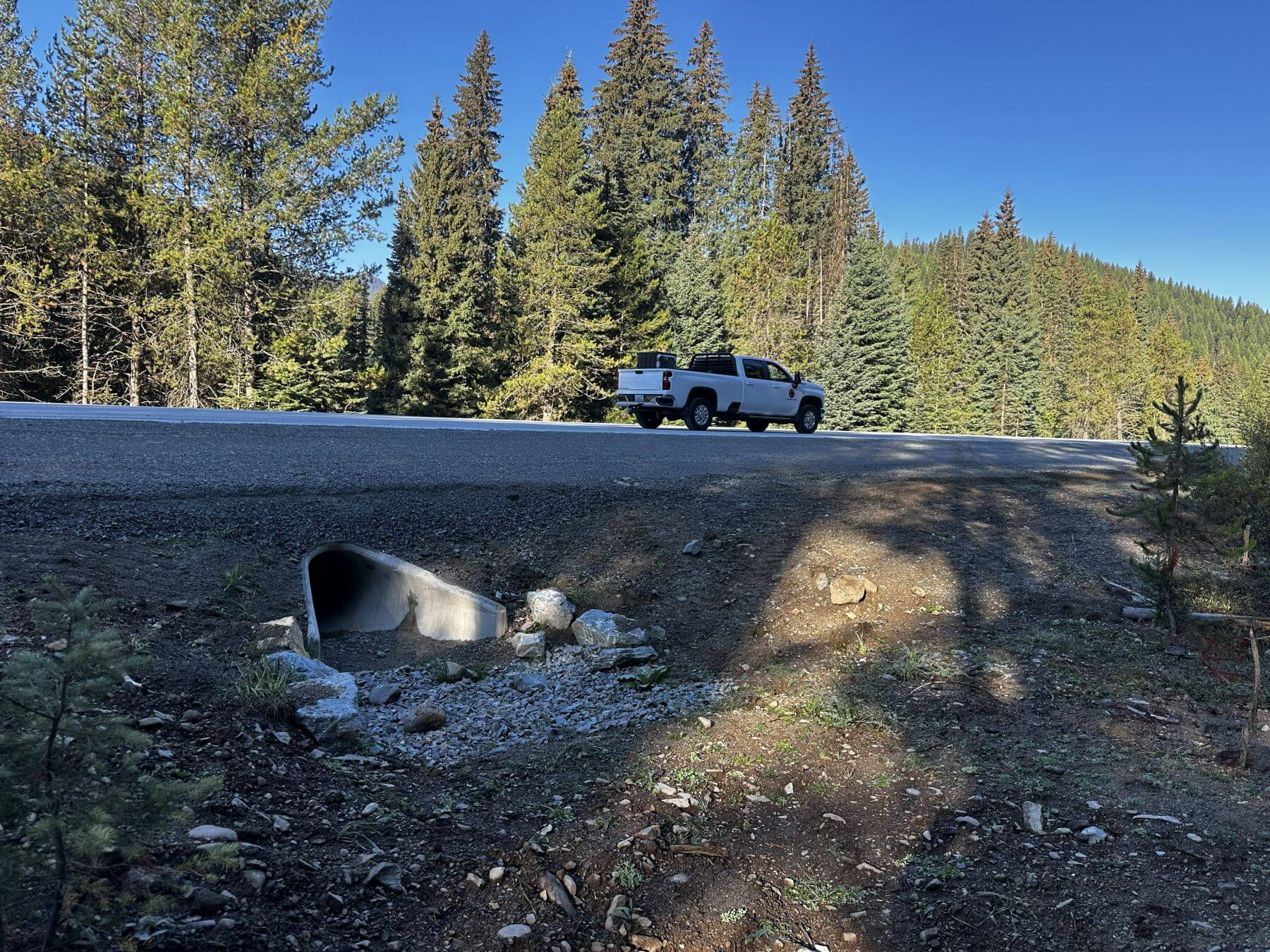
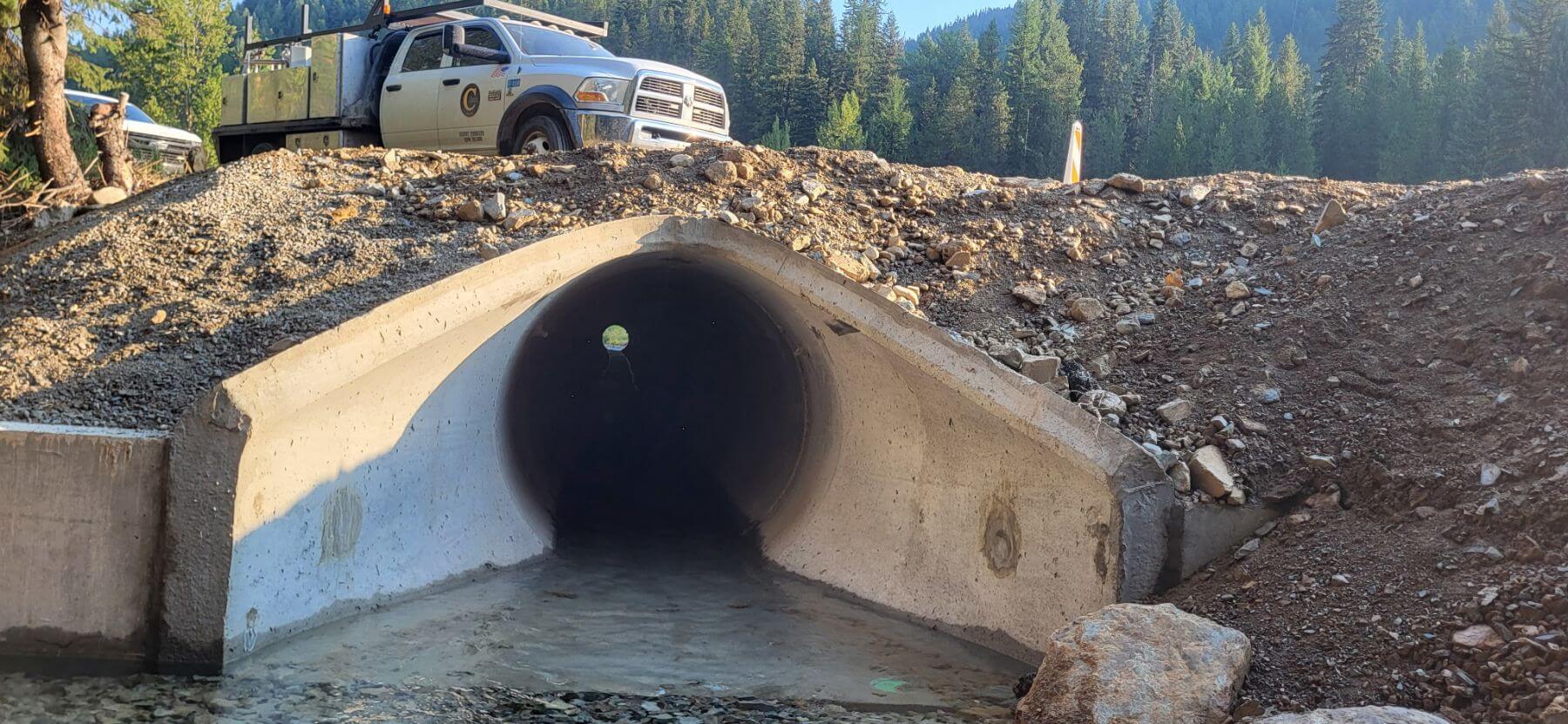
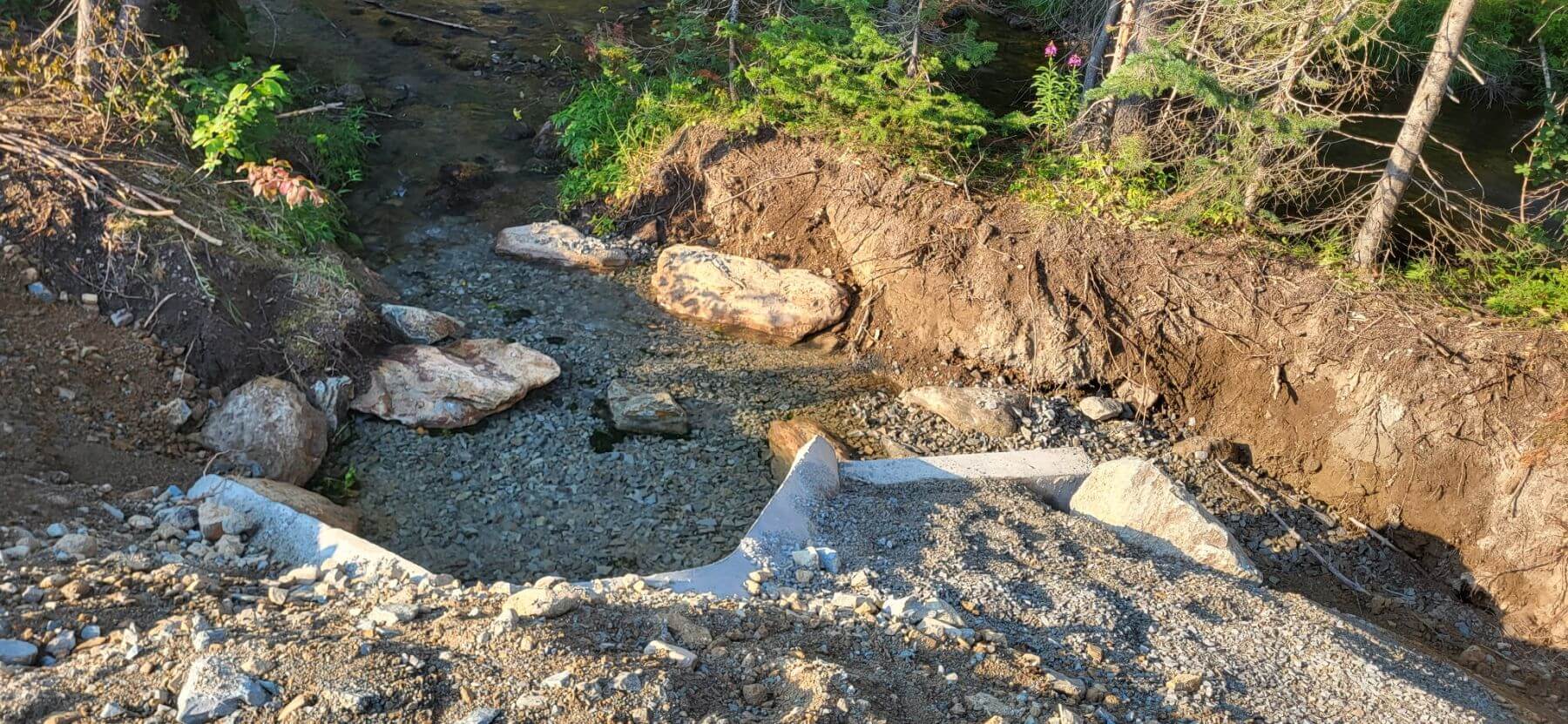
Storm drain systems handle the hydraulic loads that protect sites, roads, and downstream property from stormwater damage. Corridor installs reinforced concrete pipe (RCP), HDPE, and corrugated metal pipe storm systems along with catch basins, manholes, outfall structures, detention vault connections, and energy dissipators. We coordinate SWPPP compliance throughout installation to meet state and local stormwater permit requirements.
Call for a Quote:
(509) 244-6160
Dry Utilities — Conduit, Duct Banks & Vaults
Storm drain systems handle the hydraulic loads that protect sites, roads, and downstream property from stormwater damage. Corridor installs reinforced concrete pipe (RCP), HDPE, and corrugated metal pipe storm systems along with catch basins, manholes, outfall structures, detention vault connections, and energy dissipators. We coordinate SWPPP compliance throughout installation to meet state and local stormwater permit requirements.

Call for a Quote:
(509) 244-6160
Services We Offer
Heavy Civil Earthwork
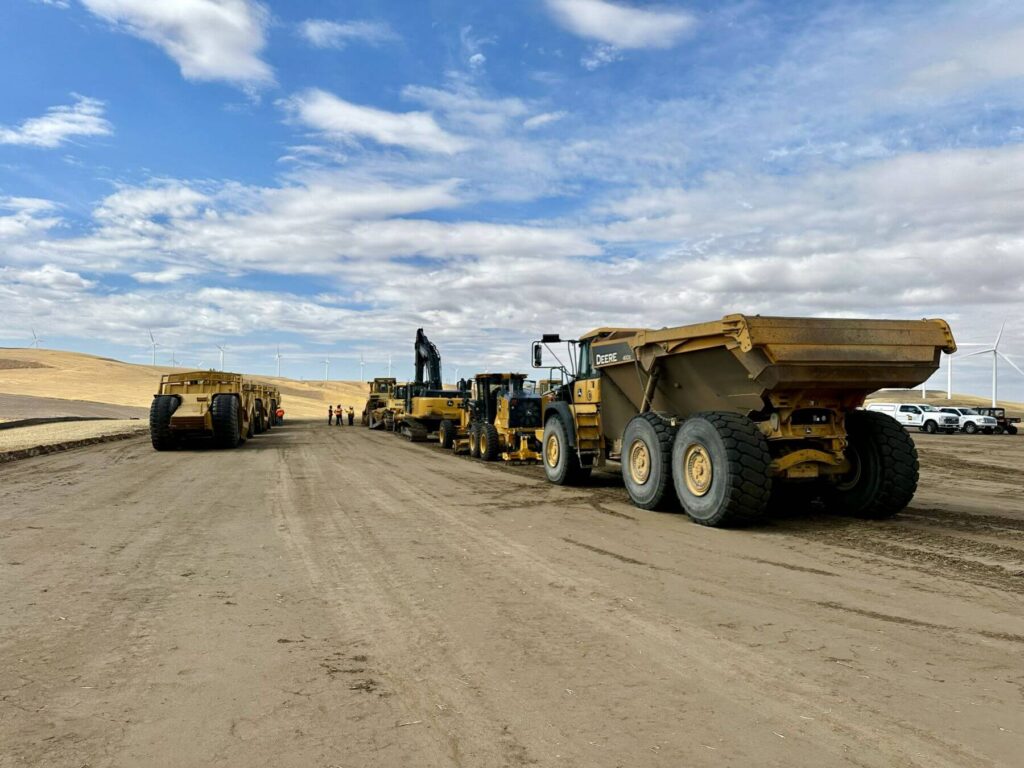
We perform large-scale cut and fill operations, rock excavation, site balancing, and haul operations on commercial, municipal, and industrial sites.

Asphalt Milling
We perform full-depth and partial-depth milling for roadway rehabilitation, parking lot reconstruction, and pavement maintenance projects.
Underground Utilities
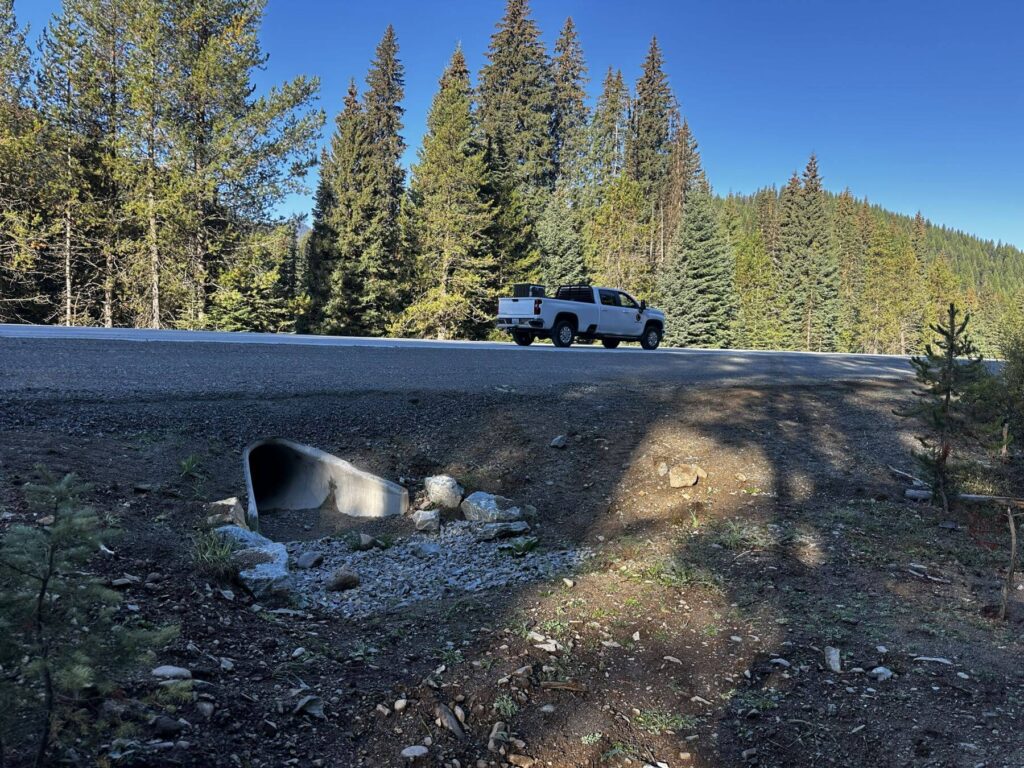
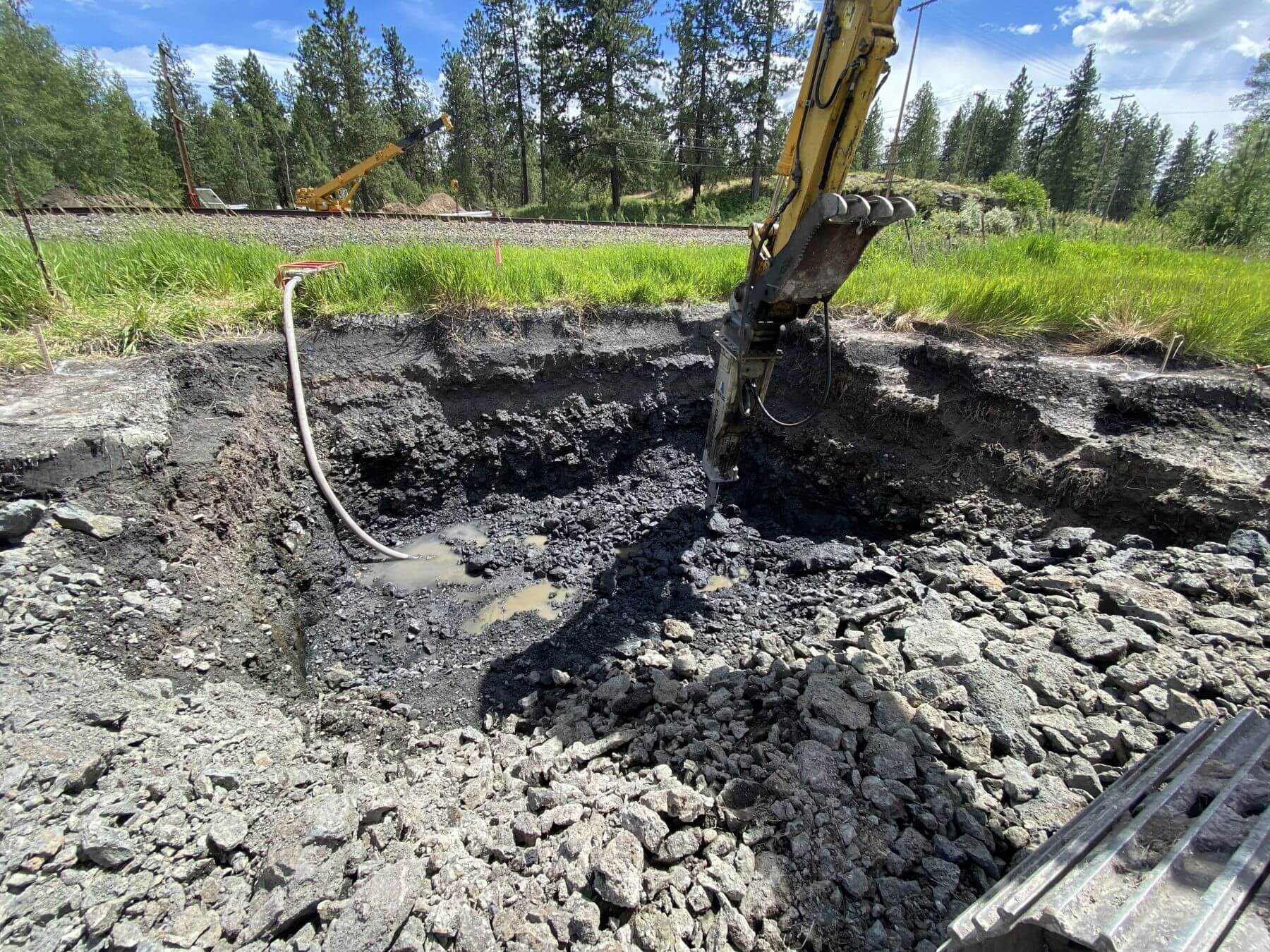
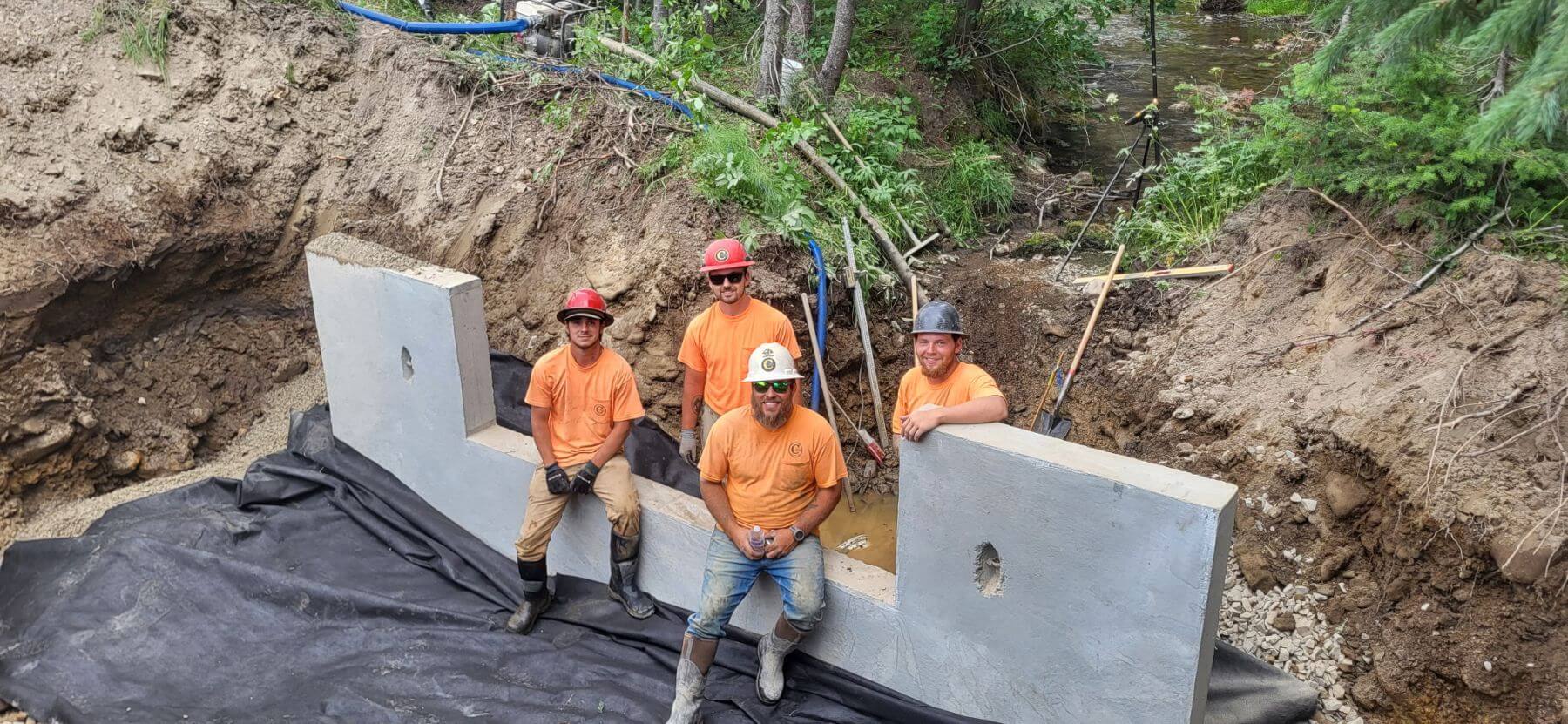
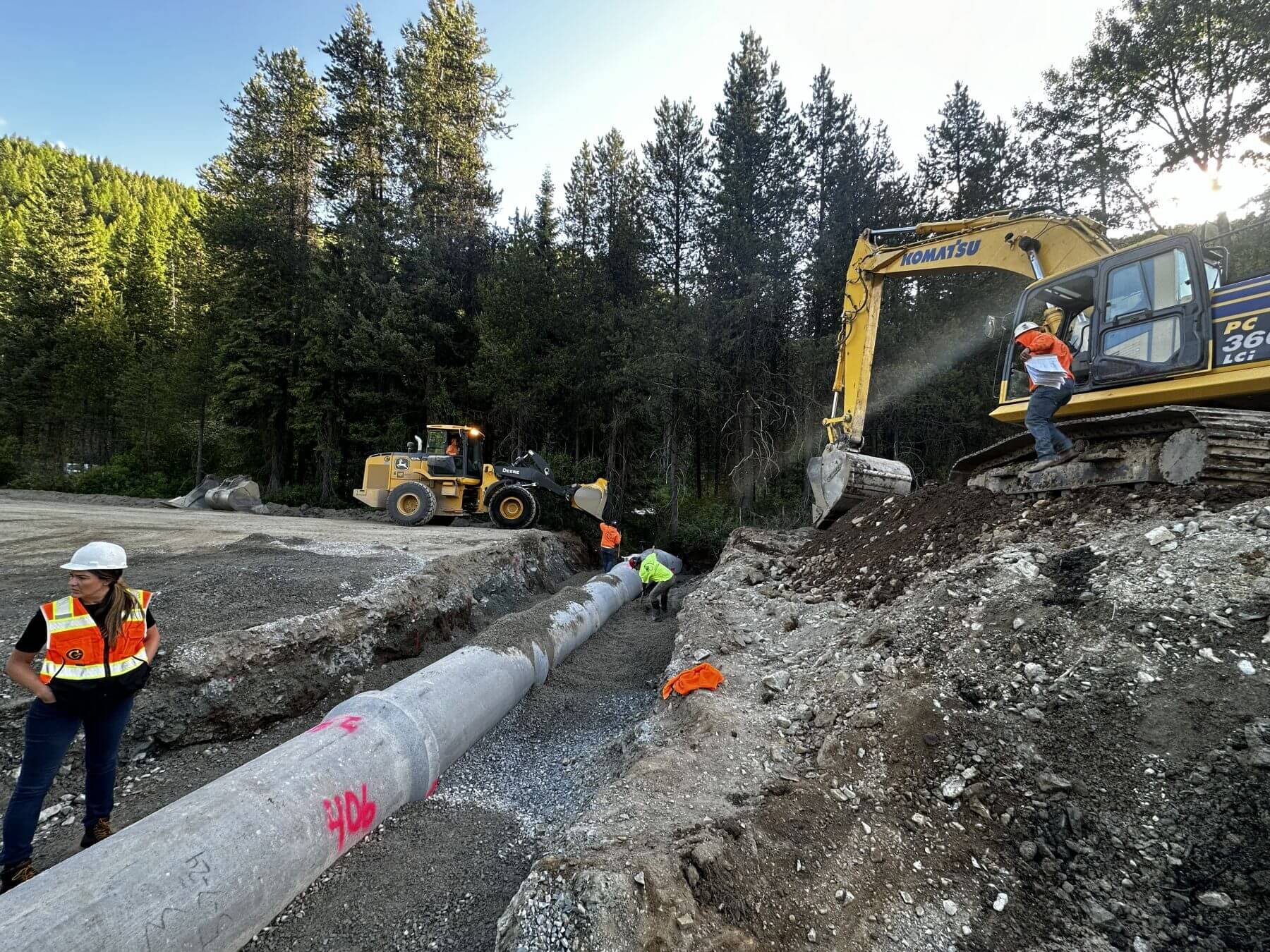
Our crews are experienced in both open-cut and trench installation methods, with the equipment and knowledge to work in challenging soil conditions, tight tolerances, and high-traffic corridors.
Some of Our Underground Utilities Work



Frequently Asked Questions
Here are some of the most frequently asked questions about our underground utilities service. Please let us know if you have any other questions that are not listed here.
What types of underground utilities does Corridor Contractors install?
We install water distribution and transmission lines, sanitary sewer collection systems, storm drain networks, and dry utilities including electrical conduit and duct bank. We self-perform all of these scopes, which means you get one accountable contractor rather than multiple specialty subs coordinating across each other.
Do you work on both public and private utility projects?
Yes. We work on publicly bid municipal utility projects — water main replacements, sewer system upgrades, storm drain improvements — as well as private site development utility installations for commercial, industrial, and residential developers. We're experienced with the documentation, testing, and inspection requirements on both sides.
What size utility lines can you install?
We install utility lines across a wide range of diameters, from small-diameter service lines up to large-diameter transmission mains and trunk sewers. If you have a specific pipe size or project scope in mind, reach out and we can confirm our experience and capacity for that application.
How do you protect existing utilities during excavation?
Every project starts with a thorough utility locate process — we call 811 and work with private locating services when needed to identify and mark all existing utilities in the work zone. Our operators are trained to hand-dig or use vacuum excavation near confirmed utility locations before mechanical excavation begins. We take the risk of utility strikes seriously and plan our work accordingly.
Can you handle utility work in areas with difficult soil conditions?
Yes. We have experience working in a range of challenging soil conditions — rock, groundwater, expansive clay, and unstable trench walls among them. We carry the shoring and trench protection equipment required for safe operation in these conditions and can adjust our installation methods based on what the ground actually looks like, not just what the geotechnical report predicted.
Do you perform pressure testing and final inspections?
Absolutely. Pressure testing, vacuum testing, and deflection testing are standard parts of our utility installation process. We coordinate with project engineers, inspectors, and the relevant utility owner or agency to schedule and document testing so the system can be formally accepted without delay.
Can Corridor Contractors serve as the prime contractor on a utility project, or only as a sub?
Both. We regularly serve as the prime contractor on standalone utility improvement projects, managing permitting, inspection coordination, traffic control, and restoration. We also work as a qualified subcontractor under general contractors and construction managers on larger projects where civil utility work is one scope among many.
How do you minimize disruption to traffic and adjacent businesses during utility work?
Traffic control planning is a standard part of how we approach utility projects in active corridors. We develop phased work plans, use temporary surfacing where appropriate, coordinate lane closures during off-peak hours when required, and maintain access to adjacent properties throughout construction. We work with local agencies and stakeholders ahead of time so surprises are minimized.