
Mass Excavation & Earthwork
Moving Earth at Scale — With the Precision to Get It Right
Our Mass Earthwork Capabilities Include:
- Mass cut and fill earthwork
- Rock excavation and blasting coordination
- Site balancing and import/export management
- Structural and engineered fill placement
- Sub-excavation and replacement
- GPS-guided grading for accuracy and efficiency
- Erosion control and temporary drainage
Mass excavation is where projects start — and where the right contractor makes all the difference. Poor earthwork creates problems that echo through every phase of construction: unstable subgrade, drainage issues, retaining wall failures, and costly rework. Corridor Contractors brings the discipline and equipment to do earthwork right from the start.
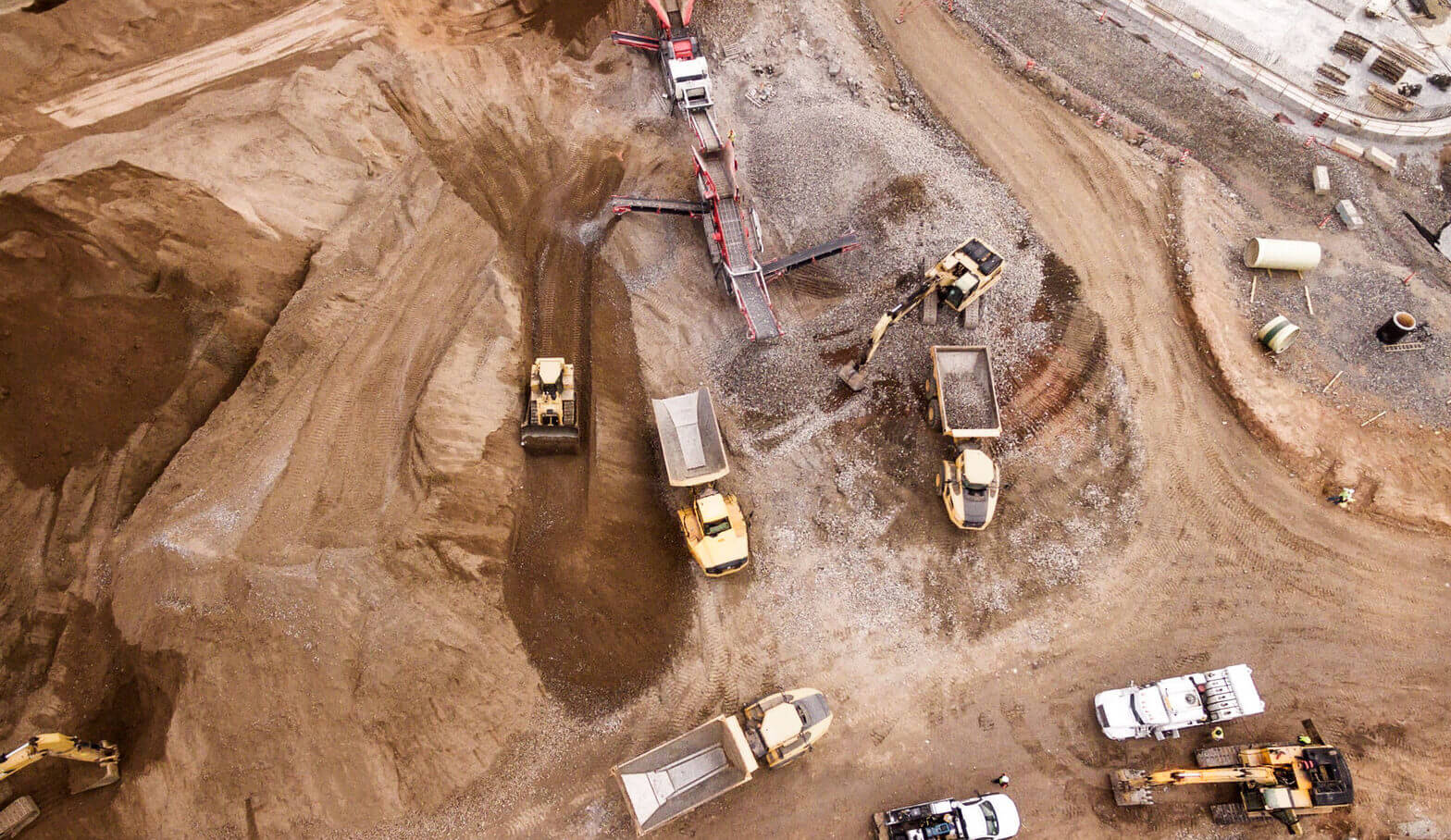
We perform large-scale cut and fill operations, rock excavation, site balancing, and haul operations on commercial, municipal, and industrial sites. Our fleet of dozers, excavators, and scrapers is matched with GPS machine control technology that keeps our operators working to design grade with exceptional accuracy.
We understand soil — how it behaves when it's wet, when it's compacted, and when it's under load. That knowledge drives how we approach every job and helps us avoid the surprises that slow projects down.
Our Earthwork Service
From initial project start with GPS model building to mobilization of haul trucks, dozers, scrapers and excavators Corridor sizes the right gear for the job.” – Onsite screening or crushing of materials can be implemented to save time and money.
Call for a Quote:
(509) 244-6160
Services We Offer
Heavy Civil Earthwork
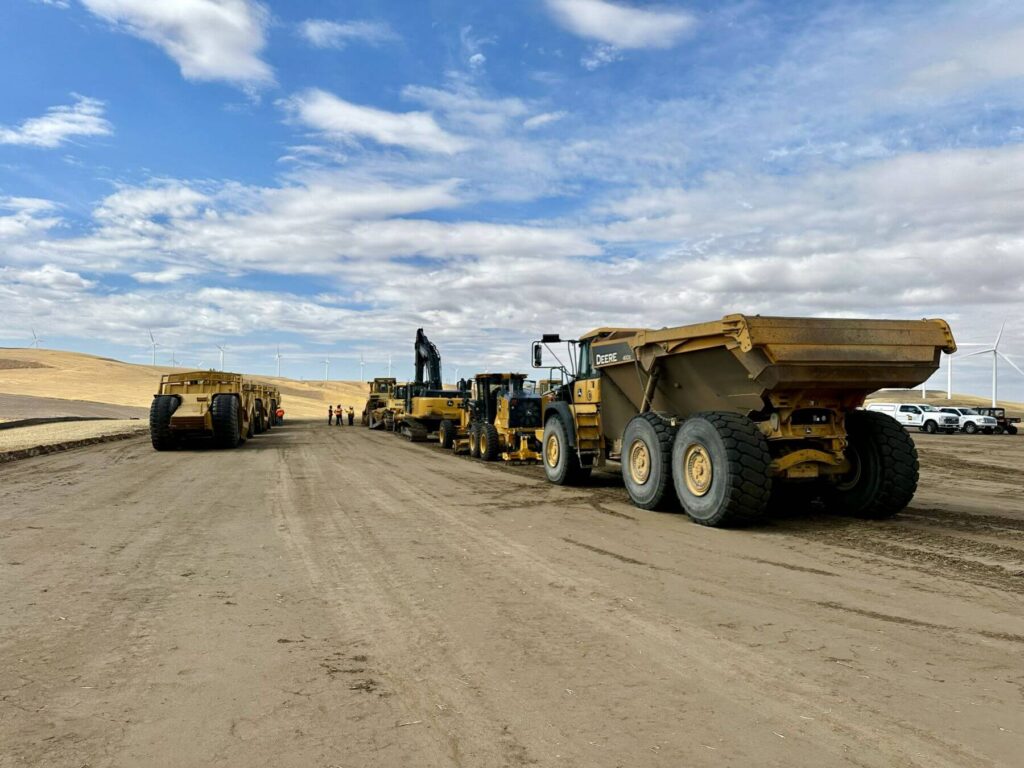
We perform large-scale cut and fill operations, rock excavation, site balancing, and haul operations on commercial, municipal, and industrial sites.

Asphalt Milling
We perform full-depth and partial-depth milling for roadway rehabilitation, parking lot reconstruction, and pavement maintenance projects.
Underground Utilities
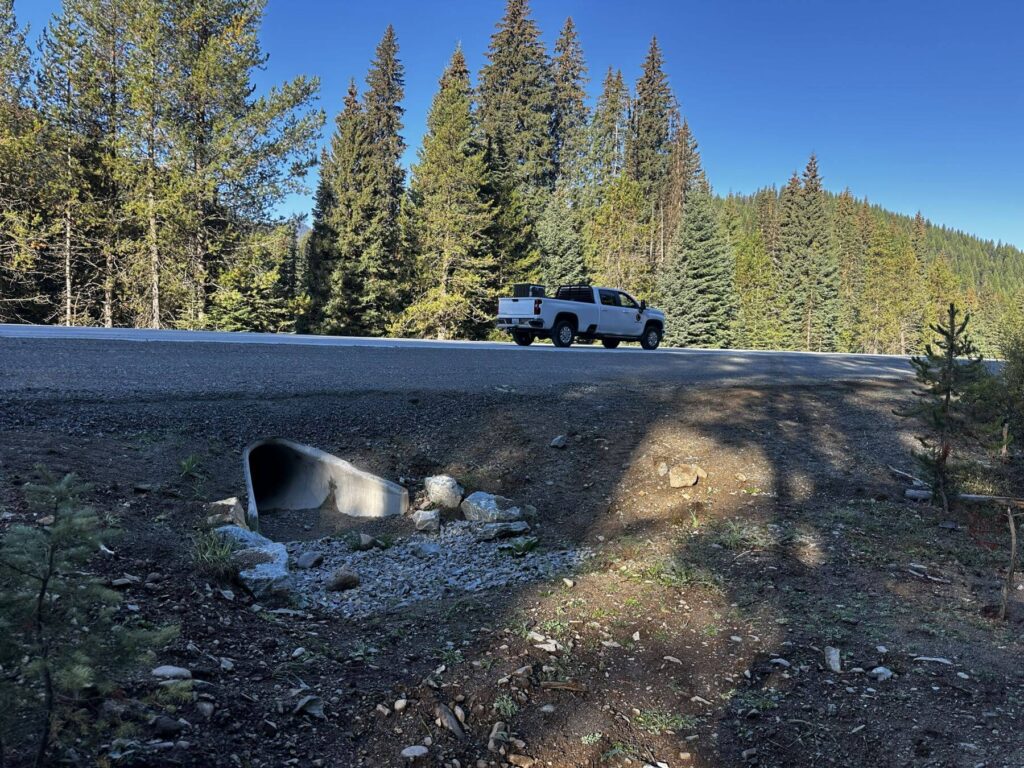
Our crews are experienced in both open-cut and trench installation methods, with the equipment and knowledge to work in challenging soil conditions, tight tolerances, and high-traffic corridors.
Earthwork FAQs
Here are some of the most frequently asked questions about mass excavation and earthwork. Please let us know if you have a question that is not covered here.
What scale of excavation projects does Corridor Contractors handle?
We handle earthwork projects ranging from smaller site-prep scopes to large-scale mass grading operations involving hundreds of thousands of cubic yards of material. Our equipment fleet and crew capacity are sized for meaningful commercial, municipal, and industrial projects — not just residential-scale work. If you're unsure whether your project is a fit, reach out and let's talk through it.
How do you determine how much material will need to be imported or exported from a site?
We perform detailed earthwork quantity takeoffs from civil grading plans, calculating cut and fill volumes and comparing them to identify whether the site will be in a net import or net export condition. We also factor in shrink and swell coefficients based on the soil types present and use that analysis to develop a haul strategy and preliminary material management plan before we ever mobilize.
Can you handle rock excavation?
Yes. We have experience in rock excavation and coordinate with licensed blasting contractors when drilling and blasting is required. We also operate ripping and breaking attachments for situations where mechanical rock removal is appropriate. Rock conditions are always identified and accounted for in our project planning — we don't treat them as surprises.
How does GPS machine control improve earthwork accuracy?
Every project starts with a thorough utility locate process — we call 811 and work with private locating services when needed to identify and mark all existing utilities in the work zone. Our operators are trained to hand-dig or use vacuum excavation near confirmed utility locations before mechanical excavation begins. We take the risk of utility strikes seriously and plan our work accordingly.
What happens if the soils on site aren't suitable for structural fill?
Unsuitable subgrade is one of the more common field conditions we encounter, and we have a clear process for handling it. When we find soils that won't support the planned load — whether due to high moisture content, organic material, or poor bearing capacity — we work with the project geotechnical engineer to determine the right remediation approach. That might mean over-excavation and replacement, chemical treatment, or a modified compaction approach depending on the site conditions.
Do you perform compaction testing, or do we need to hire a separate testing firm?
Compaction testing is typically performed by an independent geotechnical testing firm — this is standard practice on most commercial and public projects because it provides an independent verification of our work rather than self-reporting. We coordinate closely with the testing firm throughout the project to sequence their testing efficiently and ensure we're not holding up the schedule waiting for results. If you don't have a testing firm engaged, we can help connect you with qualified firms we've worked with in the past.
How do you manage stormwater and erosion control during earthwork operations?
We develop and implement a stormwater pollution prevention plan (SWPPP) as required on applicable projects, installing and maintaining erosion control measures throughout the earthwork phase. This includes silt fence, straw wattles, rock check dams, construction entrances, and sediment basins depending on the site's drainage patterns and discharge points. We take compliance with stormwater permit conditions seriously — erosion control violations create liability for the project owner, and we work to keep that risk off the table.
What is your typical mobilization timeline for a large earthwork project?
Mobilization timelines depend on our current workload and the project's location, but we work hard to be responsive when clients need us to move. For projects that are properly permitted and ready to go, we're generally able to discuss a mobilization window during the pre-construction conversation. Get in touch early — the sooner we're in the loop, the better we can plan.